

How Do Braces for Kids Work (Definitive Guide for All Parents)
Braces are orthodontic devices for correcting misaligned teeth and jaws. They can enhance both dental function and aesthetics. Read more: https://dennistan.com.sg/braces/.
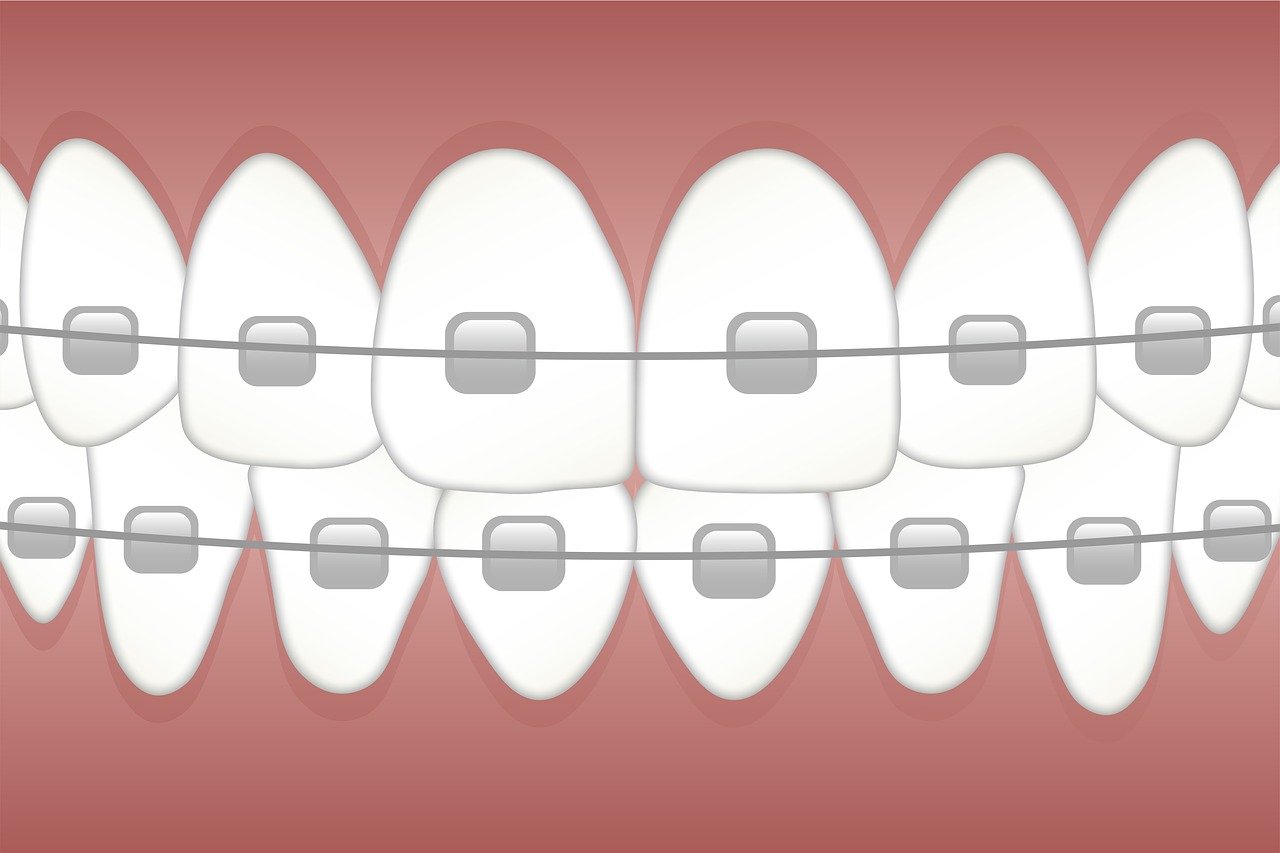
Source: www.pixabay.com
Braces for kids are made of various components that work to gradually move teeth into their desired positions. The most common types of braces you can get for your child include:
- Metal Braces: These are the most common type of braces for kids. They are made from stainless steel and are known for their durability and strength. They are suitable for all types of orthodontic issues.
- Ceramic Braces: These braces are made from clear or tooth-colored materials. This makes them less noticeable than metal braces. They are a popular choice for older children and teenagers.
- Lingual Braces: These are attached to the back of the teeth. This means that they’re virtually invisible if correctly installed. They are custom-made for each patient but can be more challenging to clean.
- Clear Aligners: Brands like Invisalign offer a series of custom-made, removable trays that shift teeth gradually without the use of brackets and wires. They are a popular choice for older kids and teens who prefer a discreet option.
How exactly do Braces Work?
If you’re considering braces for kids for the first time, it is natural to be curious about how they work. Because of this you may constantly wonder; how exactly do brace work?
It is simple; braces work by applying continuous pressure to the teeth to cause them to move gradually into their desired positions. This process relies on the body’s ability to adapt to the applied pressure.
The pressure from braces causes bone to break down in the area where the tooth is being pushed, so it can move. Simultaneously, new bone forms in the area behind the tooth to secure it in its new position.
This biological process is known as bone remodeling and can take several months. Regular adjustments are crucial to ensure the teeth continue to move in the desired direction.
Your orthodontist will tighten or replace the archwire and may change ligatures during these appointments. With that out of the way, here is what to expect when you take your child to get braces for kids from start to finish.
- Initial Consultation and Assessment: An orthodontist will begin by conducting a thorough evaluation, which may include X-rays, photographs, and dental impressions. This assessment helps develop a personalized treatment plan.
- Fitting the Braces: Once the plan is in place, the braces are fitted. This process generally takes one to two hours and involves bonding brackets to the teeth and threading the archwire through them.
- Adjustment Appointments: Regular follow-up visits (typically every 4 to 6 weeks) will be needed to adjust the archwire. They also help ensure that the teeth are moving according to plan.
- Retention Phase After Braces Removal: Once treatment is complete, retainers are often provided to maintain the new positions of the teeth. This phase is crucial to prevent teeth from shifting back to their original positions.
What are the Benefits of Braces for Kids?
To make sure that you make informed decision about braces for kids, a question that may persistently bug you is; what are the real benefits of braces for kids? They’re varied but these are the most notable ones:
- Oral Health Improvements: Braces for kids can greatly improve your baby’s overall oral health. Straight teeth are easier to clean which reduces the risk of cavities and gum disease. Misaligned teeth can trap food and bacteria and cause plaque buildup. What’s more, properly aligned teeth facilitate better brushing and flossing.
- Functional Benefits: Having straight teeth can improve your child’s bite and even better, make it easier to chew food properly. Correcting bite issues can also alleviate stress on the jaw and prevent future jaw problems. And the best part? Braces for kids can enhance speech clarity and prevent issues related to misaligned teeth.
- Psychological Benefits: Children with braces often experience increased self-esteem as their smiles improve. The confidence gained from having straight teeth can positively impact social interactions and overall well-being. A beautiful smile can lead to better social opportunities and relationships during crucial developmental years.
- Long-Term Advantages: Addressing orthodontic issues early can prevent more severe dental problems in adulthood, such as jaw pain, tooth wear, and loss. Moreover, achieving an aesthetically pleasing smile contributes to a positive self-image, which can have lasting effects throughout a child’s life.
What is not true about Braces for Kids?
While braces for kids are a popular treatment for several dental issues, there are so many claims that may be misleading. Below are some myths surrounding braces that need clarification:
- Myth: Braces are only for cosmetic reasons.
- Fact: Braces improve oral health, function, and aesthetics. So, they can be used to fix both aesthetic concerns and underlying dental issues.
- Myth: Treatment is only for teenagers.
- Fact: Many children as young as seven can benefit from early orthodontic evaluation and potential treatment.
Away from the myths, here is what you need to know about braces for kids:
- Pain and Discomfort
Many parents worry about their child experiencing pain from braces. While some discomfort is normal, especially after adjustments, it is usually manageable.
You can use over-the-counter pain relief, like ibuprofen to manage any discomfort. Also, orthodontists often suggest consuming soft foods during the initial adjustment period to minimize pain.
- Diet Restrictions
Certain foods should be avoided with braces to prevent damage. Common foods to avoid include:
I. Sticky candies (e.g., caramel, taffy)
II. Hard foods (e.g., nuts, ice)
III. Chewy foods (e.g., bagels, tough meats)
IV. Corn on the cob
V. Whole apples
- Oral Hygiene
Maintaining oral hygiene with braces can be challenging. For parents, you should encourage your children to:
I. Brush after every meal using a soft-bristled toothbrush.
II. Use fluoride toothpaste to help prevent cavities.
III. Floss daily with a floss threader or orthodontic flosser.
IV. Use mouthwash to rinse away food particles and bacteria.
In Closing
While getting braces for kids may seem a not so smooth process, the long-term advantages for your child’s oral health, self-esteem, and overall well-being are invaluable. Consult with a qualified orthodontist for tailored advice depending on your baby’s unique needs.
Want to learn more or schedule an appointment and have all your questions addressed? Call or visit us at:
Dennis Tan Dental Surgery – Veneers | Teeth Whitening | Dental Crowns Singapore
22 Malacca St, #03-01 RB Capital Building,
Singapore 048980
+65 6438 5622
https://dennistan.com.sg/