
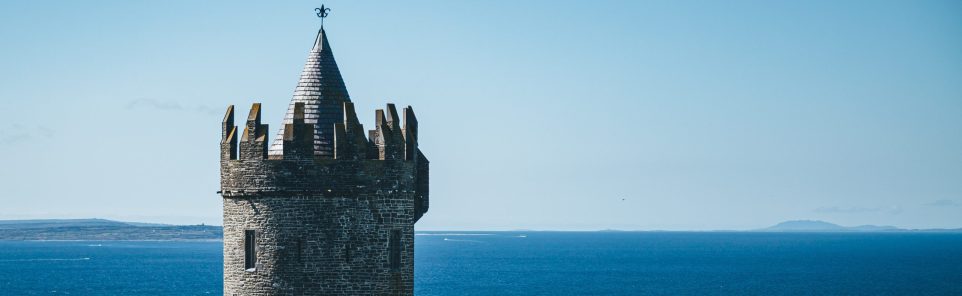
A Brief History Of Suceava During The Middle Ages
Suceava is one of the most important historical towns in Romania with a rich and long-standing history. Its long history stretches far back in time, not only to the medieval period, but also even deeper into the Paleolithic when the first known settlements were built around the middle basin of the Suceava river. Nonetheless, this particular article will mainly cover the history of one of the most important historical towns in Romania (and, in particular, one of the most important former capitals of the medieval Principality of Moldavia) during the Middle Ages (with several contextual short references to other historical periods along the way). Known for its medieval fortifications, comprising both the historical churches (one of them being UNESCO-recognised, namely Saint John the New Monastery) as well as the reconstructed local medieval princely seat fortress, Suceava was an important market town back in the Middle Ages, strategically located at the crossroads of Central and Eastern Europe and, more specifically, at an approximate junction between the Kingdom of Hungary and the Kingdom of Poland. This particular economic status was preserved well into the Modern period when Suceava was a border town closely situated next to the Romanian Old Kingdom (known in Romanian as Vechiul Regat and in German as Altreich).
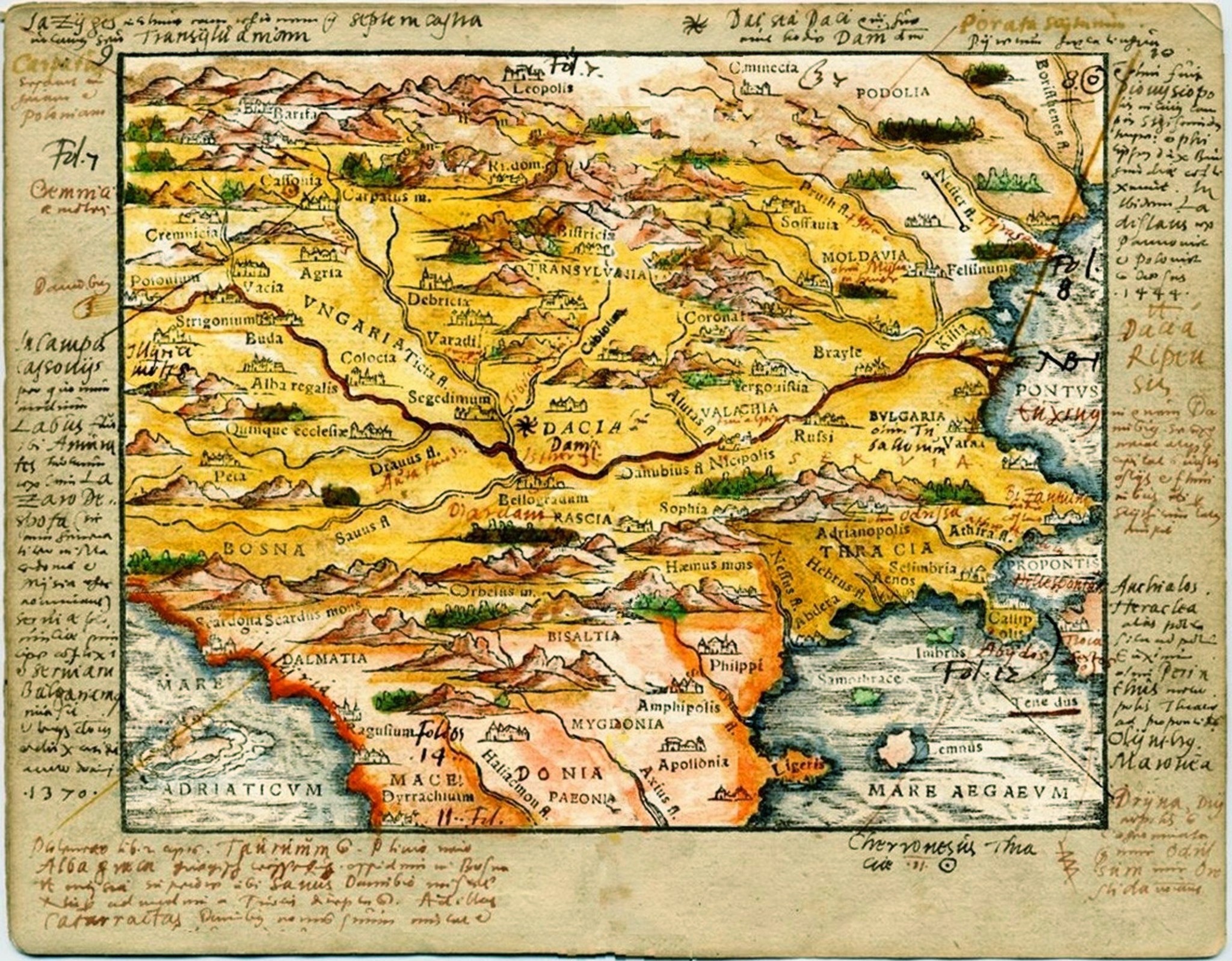
Suceava, as depicted on this 16th century map by Transylvanian Saxon cartographer Johannes Honterus. Here Suceava has an obsolete spelling and is marked with a castle to the north-east of Transylvania (known in German as Siebenbürgen, i.e., seven castles). Image source: Wikimedia Commons
The princely seat fortress of Suceava and its historical record
The local reconstructed seat fortress (alternatively known as the princely seat fortress given its royal status back in the Middle Ages, with Suceava being one of the former capitals of the medieval Principality of Moldavia; known in Romanian as Cetatea Suceava, in German as Sotschen Festung or Festung Suczawa and in Polish as Suczawa twierdza) was never conquered in the past by any foreign foe or invader of the former Principality of Moldavia. Ironically and paradoxically, the toughest enemy the fortress had to withstand was a Moldavian prince, namely Alexandru Lăpușneanu, who ordered it to be set afire at some point during the 16th century (being ordered in turn do so by the Ottomans). The seat fortress was initially reconstructed during the Austrian-ruled period of Bukovina by the Austrian authorities, later on once more in communist times during the 1960s, and, relatively recently, since the mid 2010s onwards through a European Union-funded REGIO project.
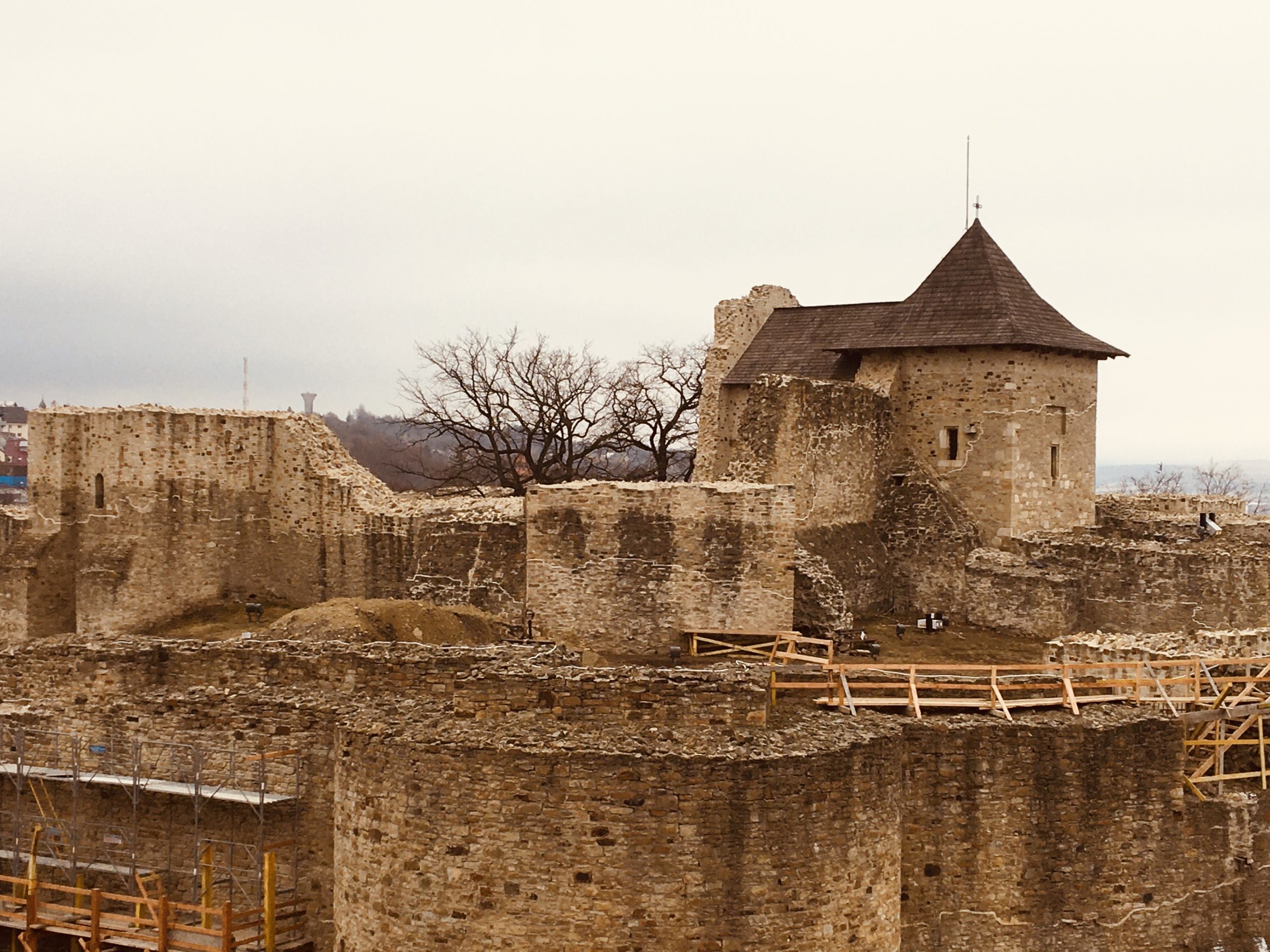
The keep of the medieval princely fortress of Suceava, as seen in early 2024. Image source: personal photograph
The princely medieval seat fortress of Suceava was built during the reign of Petru II Mușat at some point during the late 14th century. Under the reign of Stephen III of Moldavia (also known as Stephen the Great or Ștefan cel Mare in Romanian), the fortress was further fortified to withstand foreign attacks. Throughout its history, the princely fortress of Suceava faced many sieges, many which failed. Both the Poles and the Ottomans tried to besiege and capture the fortress but both of them failed to conquer it. So it is that the fortress gained a particular invincible status as part of its enduring historical record and legacy. Nonetheless, as it was previously in the paragraph above, its greatest enemy if you will was, sadly enough, a Moldavian prince who (very likely not of his own will), being forced to destroy the vast majority of the citadels in the Principality of Moldavia by the Ottomans (all but the one in Khotyn in the end, given the fact that the respective one was the only spared) did so in order to completely ruin the prospective defences (in case of either revolt or foreign invasion) of the Moldavian principality against the Ottoman Empire.

The medieval princely fortress of Suceava, as seen in early 2024. Image source: personal photograph
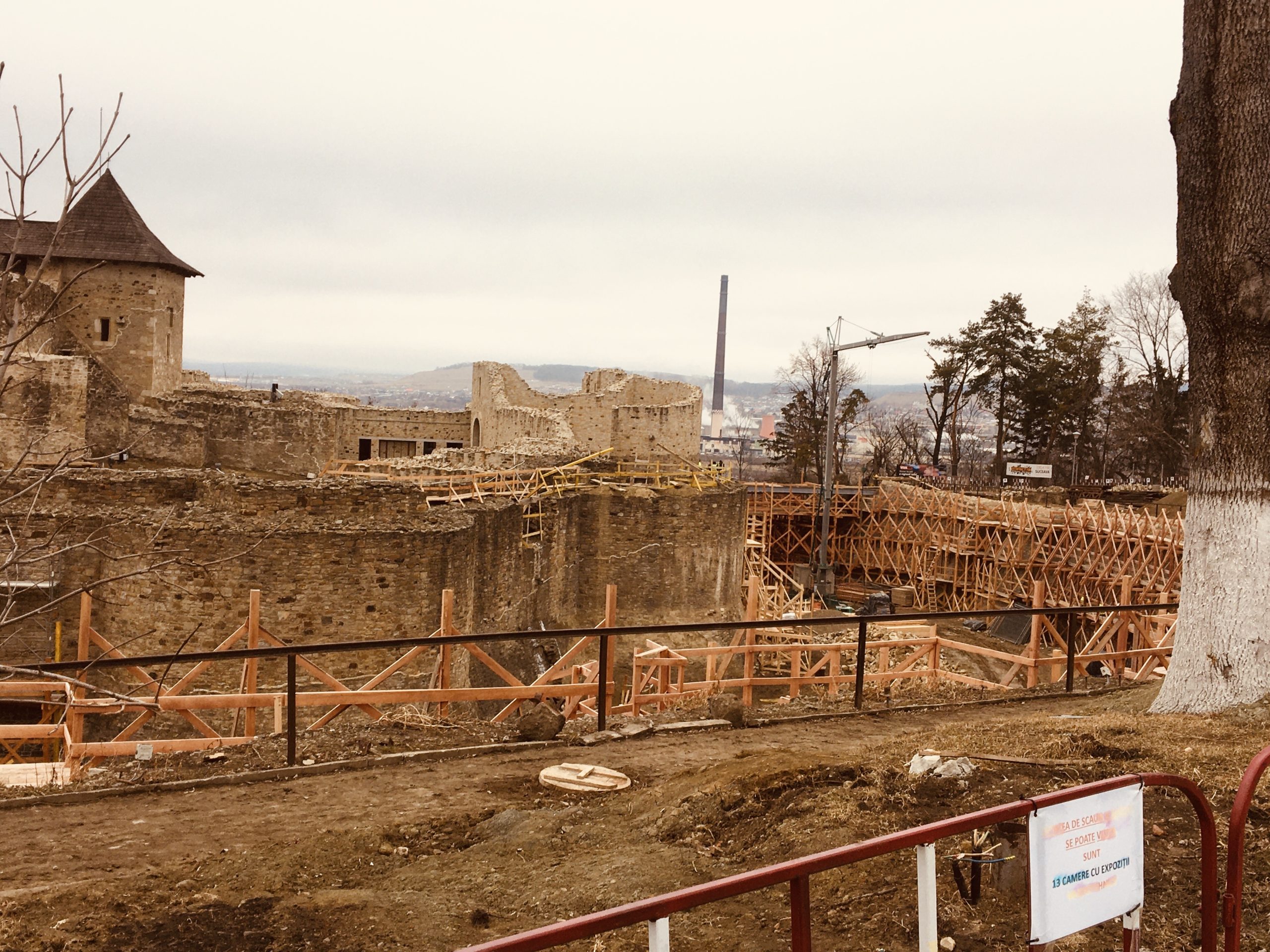
View towards the entrance bridge to the princely medieval seat fortress of Suceava, as seen in early 2024. Image source: personal photograph
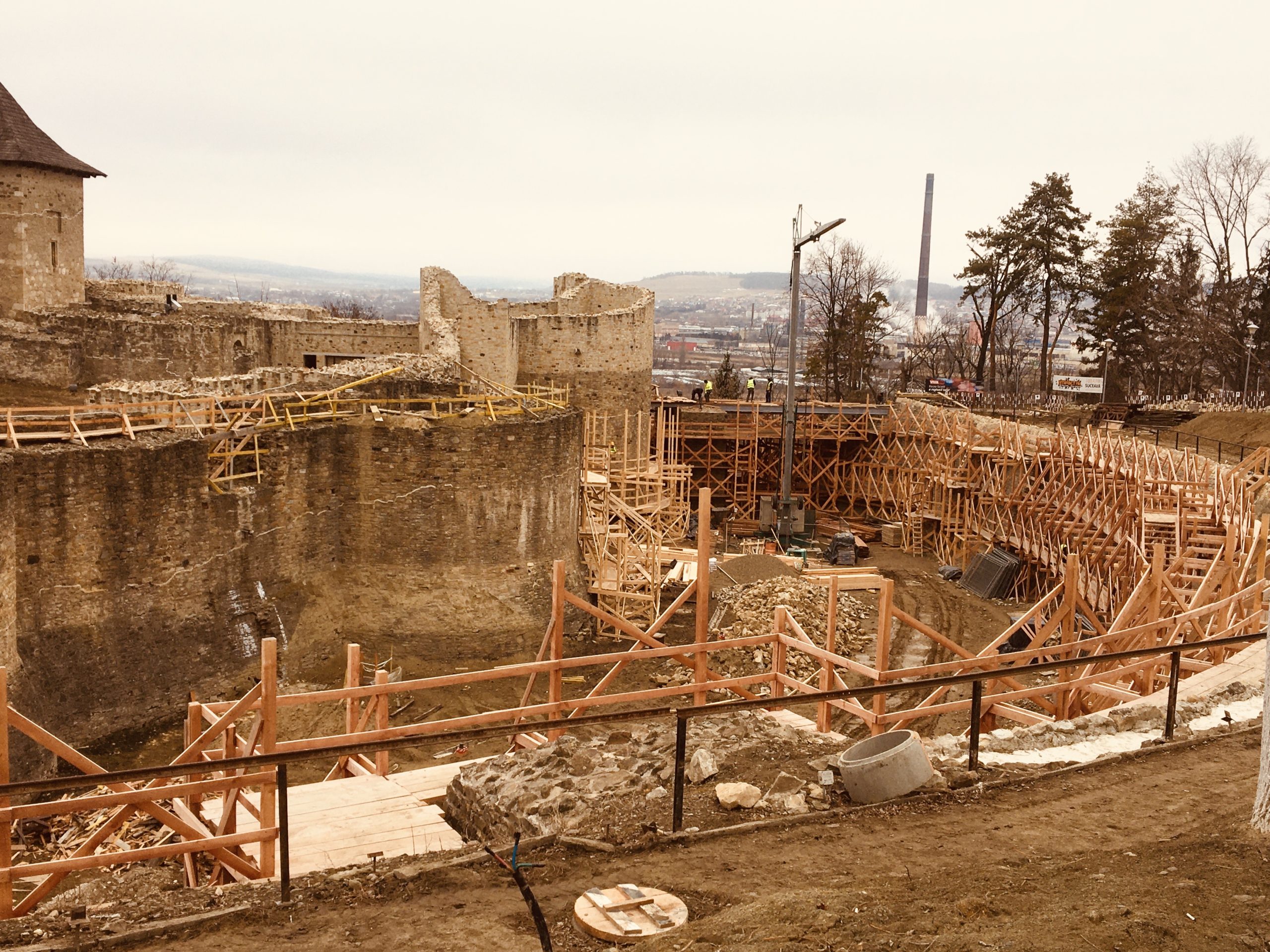
View towards the entrance/access bridge within the medieval princely seat fortress of Suceava, as seen in early 2024. Image source: personal photograph

View towards the town centre of Suceava, near the medieval princely fortress (early 2024). The medieval tower in the distance belongs to the Saint Demetrius church. Image source: personal photograph
In the centuries that followed, the seat fortress entered a period of gradual decline until the Habsburgs took over the northern highlands of the Principality of Moldavia which they named ‘Bukowina‘ or ‘Buchenland’ in German (meaning the land of the beech trees). The Austrians subsequently rebuilt the fortress under the guidance of Karl Adolf Romstorfer.
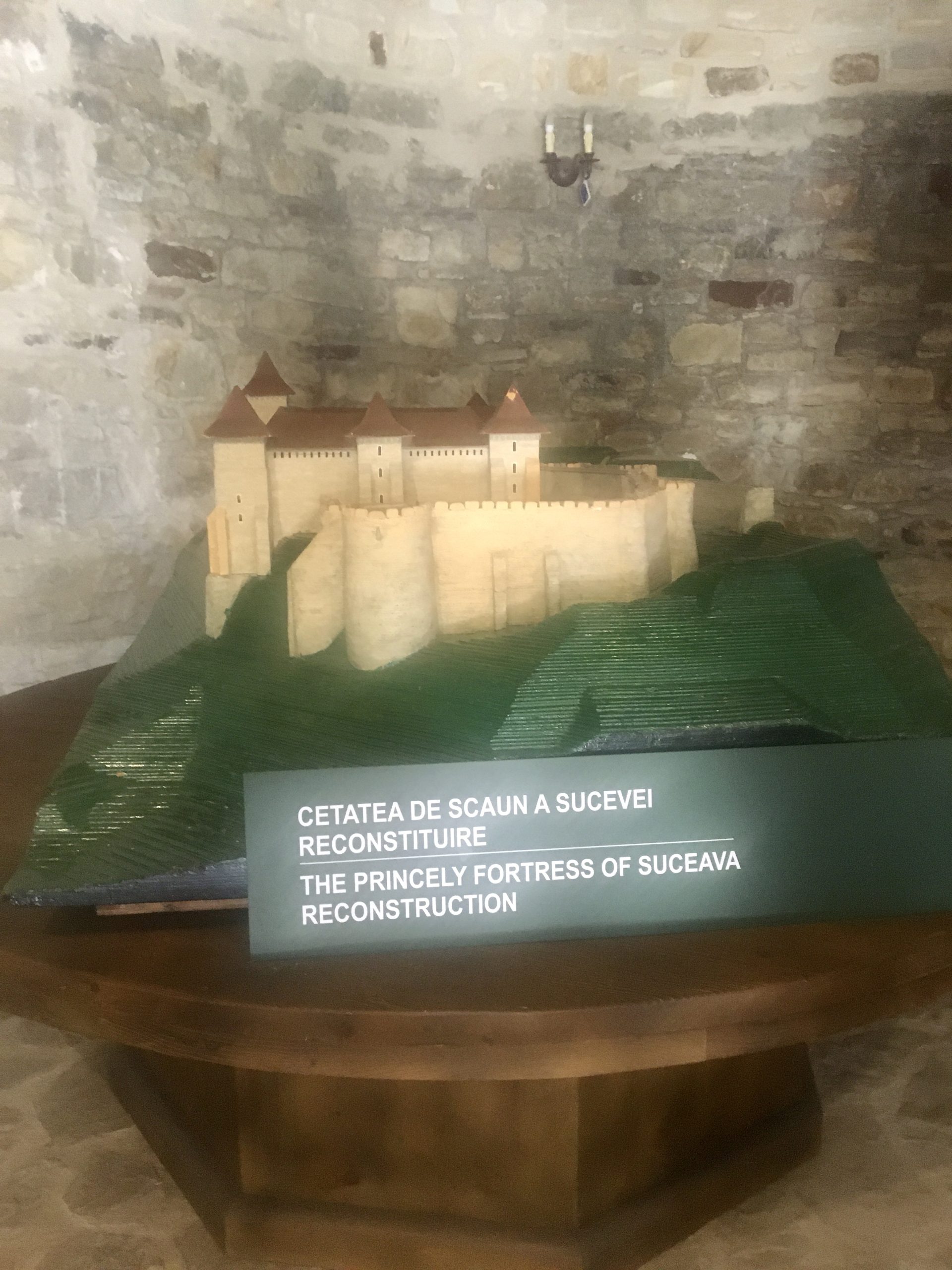
The miniature of the medieval princely seat fortress of Suceava, as seen in one of the chambers inside the fortress itself. Image source/credits: my mother

Stained glass window in one of the chambers of the princely medieval seat fortress of Suceava. Image source: my mother

The Custodian’s House (Casa Custodelui in Romanian), a local souvenir shop near the medieval princely fortress of Suceava. Image source: personal photograph
Transylvanian Saxons in Suceava during the Middle Ages
Nevertheless, aside from its several historical landmarks dating back to the Middle Ages, there are some lesser known details about the history of the town which date back to this particular period of time. One of these rather interesting and lesser known details is the fact that the Magdeburg Law (known in German as Das Magdeburger Recht and in Latin as Jus Saxonicum Magdeburgense respectively) was applied in Suceava back in medieval times. This particular German law (tracing its origin to Magdeburg from present-day eastern Germany) also held sway in other towns on the territory of present-day Romania, formerly founded by Transylvanian Saxons (a German ethnic sub-group which is part of the broader minority group of Germans in Romania), namely Sibiu (known in German as Hermannstadt and in the Transylvanian Saxon dialect as Härmeschtat) and Bistrița (known in German as Bistritz or as Nösen, an archaic/obsolete form, and in the Transylvanian Saxon dialect as Bästerts).

Suceava as part of the localities in which the Magdeburg Law operated back in the Middle Ages. Image source: www.magdeburg-law.com
The fact that the Magdeburg Law was applied in medieval Suceava should come as no surprise to the reader given the fact that a relatively small yet influent community of Transylvanian Saxons lived in it (as other Transylvanian Saxons had also settled in the neighbouring smaller urban settlements of Baia, known in German as Stadt Moldenmarkt, or Câmpulung Moldovenesc, known in German as Kimpolung). This small, compact, and well-organised community of Transylvanian Saxons were predominantly merchants and potters and had likely crossed the Carpathian Mountains from the Bistrița/Bistritz area, i.e., present-day Bistrița-Năsăud County in north-eastern Transylvania (which neighbours Suceava County to its south-western part).
In addition, Suceava must had been an important town for the Transylvanian Saxons from Transylvania as part of their trade routes with both the Principality of Moldavia and the Principality of Wallachia. Trade between Transylvania on the one hand and Moldavia and Wallachia took place during medieval times thanks also to the Transylvanian Saxons who had a series of economic privileges in their native Transylvania granted by the Hungarian monarch. It is also worth noting and mentioning the fact that the Transylvanian Saxons founded a settlement called ‘Sesscoria’ relatively close to Suceava centuries ago, as you can see on this map of the Ostsiedlung (i.e., German settlement of Eastern Europe) on Wikimedia Commons.
A personal note on the princely seat fortress of Suceava throughout the passage of time
I must also mention the fact that I have very fond memories of the princely seat fortress of Suceava since I was a little kid, growing up in my hometown and visiting it with my family. I visited it with my parents, grandmother, extended family, and, later on, many years later, with a university colleague on the occasion of filming a brief documentary on the fortress as part of one assignment that we had at a course within our BSc education in digital media. Now, well into my late 20s, I still am a big fan of the this local medieval landmark in my hometown and I am looking forward to another visit there as soon as possible. Thank you very much for your time and readership! All the best!
P.S. If you are interested, below you can watch the video presentation that I did with my former BSc study programme colleague on the medieval princely seat fortress of Suceava (credits for filming and editing the brief historical documentary below to Alex Nechita). Thank you very much in advance for watching and for your time!
- Cetatea de Scaun a Sucevei on www.wikipedia.org (in Romanian)
- Istoria Sucevei on www.wikipedia.org (in Romanian)
- Medieval Seat Fortress of Suceava on www.wikipedia.org (in English; an article which I created and mainly wrote on the English Wikipedia a while back ago)
- Suceava on www.wikipedia.org (in English; an article to which I contributed significantly in the past as well)
- Suceava on www.britannica.com (Encyclopædia Britannica online)
- Magdeburg law (historic cities) on www.magdeburg-law.com
- Personal knowledge and personal experience, being a native of Suceava since 1997